
The uninhabited Japanese island where wild rabbits outnumber people sounds like a fairy tale. Soft paws, twitching noses, and wide eyes greet visitors at the dock. Cameras come out fast. Smiles follow.
But this island has another story. One that still lingers in the soil, the ruins, and the silence between bunny hops. Welcome to Okunoshima, a place where charm and discomfort live side by side.
Okunoshima sits in Japan’s Seto Inland Sea. It has no towns, no homes, and no full-time residents—the only people who stay overnight work at or visit the island’s single hotel. The rest of the space belongs to rabbits.
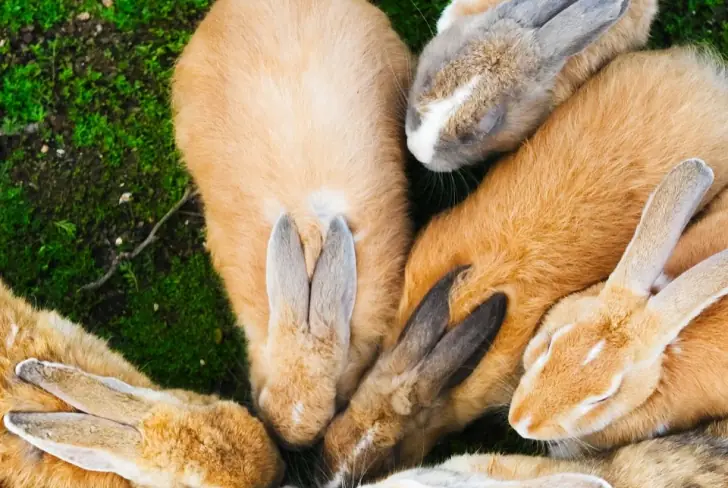
Around 400 to 500 wild rabbits roam freely here. They are not shy. They run toward footsteps and plastic bags, hoping for food. Many visitors say it feels like walking into a petting zoo with no fences.
These rabbits did not always live here. Their origin story is messy and often misunderstood. Some rumors claim they descended from lab rabbits used in wartime tests. That idea sticks because it sounds dramatic. Experts say it is implausible.
The more accepted story starts in the early 1970s. A local school reportedly released a small group of rabbits onto the abandoned island. Over time, visitors added more, often unwanted pets. With no predators and no hunting, the population grew fast.
The rabbits learned to trust people. Tourists fed them, volunteers watched over them, and social media did the rest. Cute photos turned Okunoshima into a global curiosity.
The History That Never Left
The Japanese military chose it for one reason: Isolation!
The project was so secret that the island was removed from official maps. Workers produced poison gases like mustard gas. Many handled these chemicals with little protection and suffered long-term health damage.
After World War II, Allied forces destroyed the remaining weapons. The Japanese military tried to erase the evidence. Buildings were demolished. Records vanished. Even test animals were killed to hide the truth.
That past did not stay buried. In 1988, the Poison Gas Museum opened on the island. It does not sugarcoat the story. Exhibits explain how the weapons were made and how workers were harmed. Photos and tools tell a quiet but heavy story.
However, most visitors never go inside. Many come only for the rabbits. Museum staff have said the majority skip it entirely.
Visiting Today Feels Simple, But It Is Not
Getting to the island is easy. Travelers take a short ferry ride from the mainland. The boat trip lasts about 15 minutes. Sometimes the ferries even feature bunny designs, which sets the mood early.
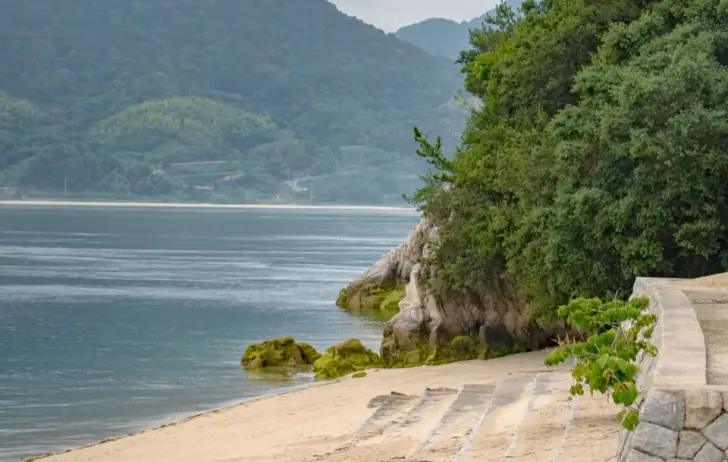
Cars are not allowed on the island. People explore on foot, by bike, or via the hotel shuttle. The coastline loop is just over four kilometers, making it manageable for a slow day trip.
Feeding the rabbits is the main activity. Visitors must buy rabbit food before arriving. It is not sold on the island on purpose. Too much food causes health problems and attracts predators like crows and wild boar.
Beyond the rabbits, old military ruins dot the island. A power plant shell sits near the path. Storage sites hide in the trees. A small lighthouse stands at the southern tip. At sunset, the island turns quiet and almost reflective.
Popularity Comes With Real Risks
The event shook locals and animal welfare groups.
It exposed how fragile this place is. The rabbits are friendly, but they are also vulnerable. There are a few safeguards. Rangers and volunteers can only do so much.
There is also a bigger issue. An animal dependent on tourists is never truly safe. When travel slows, food runs out. When crowds grow careless, harm follows. Experts and researchers often leave the island feeling conflicted.