
5 Heart Failure Breakthroughs That Could Reshape Patient Care Forever
Heart failure affects millions of people, and for years, treatment has moved at a slow pace. Doctors relied on the same drugs, devices, and hospital stays to manage symptoms. Now the field looks very different. New research is turning bold ideas into real options for patients who once had few choices.
From tiny catheters to gene therapy, scientists are testing ways to ease pressure on the heart, prevent hospital visits, and even repair damaged cells. These advances are not small tweaks. They could change how heart failure is treated in clinics and at home.
Smarter Devices, Less Surgery
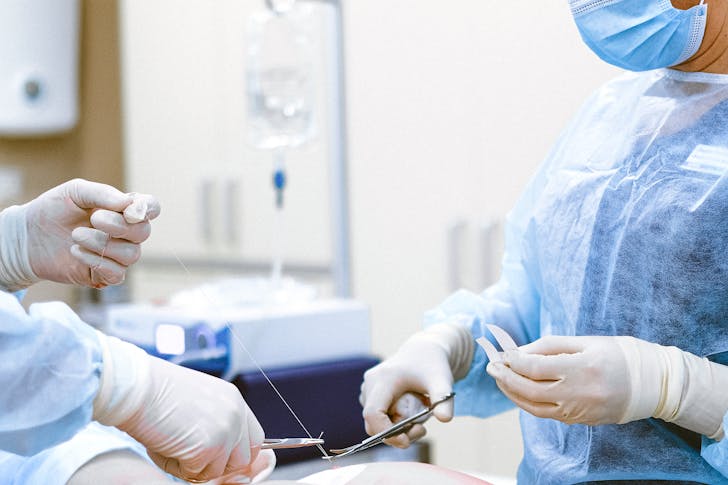
Shvets / Pexels / One of the most talked about innovations is the Alleviant System, now being studied at UC Davis Health. This treatment targets structural heart disease without open surgery.
Doctors use a catheter to create a tiny seven millimeter opening between the left and right atria. That small opening works like a pressure release valve, allowing extra blood to move away from the overloaded side of the heart.
The idea sounds simple, but the impact could be huge. Many patients still struggle with symptoms even while taking the best available medications. This procedure leaves no permanent implant behind, which reduces long-term risks. The clinical trial uses a sham comparison, so researchers can measure the real benefit.
If results stay strong, this could offer relief to patients who feel stuck with breathlessness and swelling.
Hospital-Level Care at Home
For patients with acute heart failure, fluid buildup is a constant threat. Doctors often rely on furosemide, a powerful diuretic, to pull excess fluid out of the body. Oral tablets sometimes fail when the gut cannot absorb them well. That usually means a hospital stay for intravenous treatment.
Now, a subcutaneous version of furosemide has gained FDA approval. Patients can inject it under the skin at home, and studies show it works as well as intravenous dosing. This shift could reduce repeat hospital admissions and lower healthcare costs. It also gives patients more control over their care, which matters when living with a chronic illness.
Gene Therapy Steps Into the Spotlight
Arrhythmogenic cardiomyopathy, often called ACM, can cause sudden cardiac death in young athletes. Researchers at UC San Diego are testing a gene therapy that targets a common weakness in these patients. Instead of chasing many different genetic mutations, scientists deliver a compact gene that restores connexin 43, a protein missing in ACM.
In animal studies, the therapy more than doubled lifespan and reduced dangerous heart rhythms. It also repaired structural damage by helping heart cells connect properly. This mutation-independent approach could benefit a broad range of patients.
If human trials confirm these findings, gene therapy may move from rare cases into mainstream cardiology.
Precision Treatment for Complex Heart Failure

Vidal / Pexels / Heart failure with preserved ejection fraction, known as HFpEF, accounts for about half of all heart failure cases. For years, doctors had few tools to treat it.
That is changing as SGLT2 inhibitors become core therapy for this condition. These drugs do more than control blood sugar. They help reduce hospitalizations and improve symptoms in many patients.
GLP-1 receptor agonists are also showing promise, especially in people with obesity related HFpEF. Researchers now talk about matching treatment to specific disease patterns, not just the label of heart failure. Exercise programs and targeted medications are chosen based on the patient’s unique profile.
This shift toward precision medicine could lead to better results and fewer trial-and-error prescriptions.
A Biodegradable Nerve Stimulator
In China, researchers have created a fully biodegradable vagus nerve stimulator. Traditional nerve stimulators need batteries and often require surgical removal later. This new device powers itself using body movement. It delivers low-intensity stimulation to the vagus nerve, which can reduce inflammation and improve heart function.
The device dissolves in the body after a set period, so no removal surgery is needed. In animal models, it improved heart function at different stages of heart failure.
More in Cutting Edge
More From HealthyGeorge
-

-
 How Mindfulness Boosts Memory and Future Planning Skills
A small shift in daily habits can influence how well the brain keeps track of future plans. Recent findings suggest that...
Life HacksApril 30, 2026 -
 Inside the Bel-Air Jewel Heist That Rocked Kathy Hilton and “RHOBH” CastCulture & FunApril 25, 2026
 -
 Gen Z’s Viral “Rawdogging Boredom” Trend May Help Fix Their Attention Span
A strange trend is taking over TikTok. Gen Z creators are filming themselves sitting in silence, doing absolutely nothing for minutes...
Life HacksApril 3, 2026 -
 These Cutting-Edge Depression Treatments Are Finally Addressing Women’s Mental Health CrisisCutting EdgeMarch 28, 2026
You must be logged in to post a comment Login